


History, Politics & World Affairs
Mar 17, 2026
Political Theory I: Classical
Political Theory II: Modern
International Relations
Comparative Politics
Political Theories
Why the Kabul Hospital Strike Could Become a Turning Point in the Pakistan-Afghanistan Conflict
Reports of a deadly strike on a Kabul hospital have triggered outrage far beyond Afghanistan. Here’s why the incident matters, how it fits into the long Pakistan-Afghanistan border
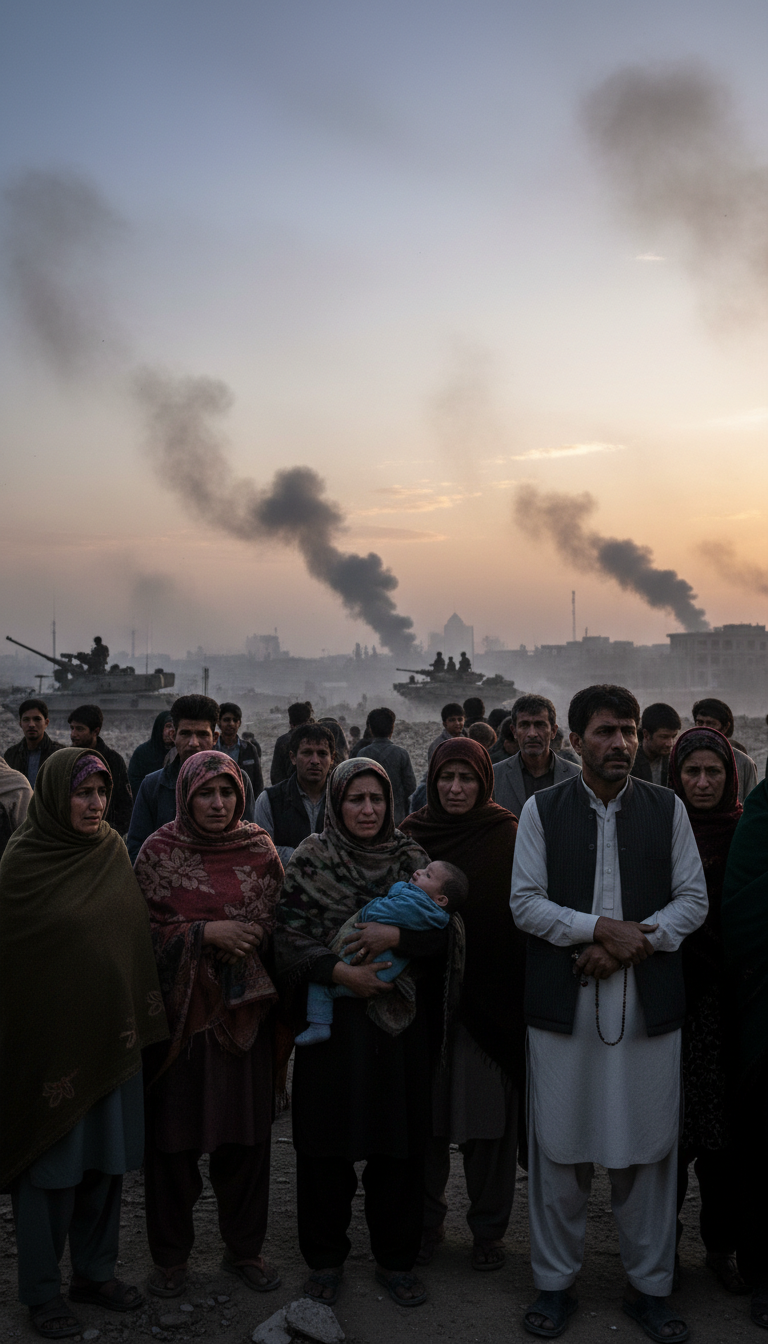
Reports of a strike on a major hospital complex in Kabul have ignited fury across social media and newsrooms alike. Afghan Taliban officials say hundreds of civilians were killed, while Pakistan denies targeting the hospital and says it struck militant infrastructure nearby. In conflicts like this, facts on the ground are often contested in the first hours. But one thing is already clear: when a hospital becomes the symbol of a military operation, the political meaning of that operation changes instantly.

Why this story hit so hard
Hospitals carry a special moral weight. Even people who know little about the Pakistan-Afghanistan conflict understand what a medical facility represents: refuge, treatment, and the idea that some places should remain outside war. That is why images of burning wards, shattered concrete, and panicked survivors spread so quickly. In the smartphone era, public perception often forms before official explanations arrive.
Pakistan says it conducted precise strikes against Taliban-linked military sites, ammunition depots, and networks tied to Tehrik-i-Taliban Pakistan, or TTP. But air power has a brutal weakness: even if the intended target is military, civilian casualties can overwhelm the strategic message. A strike meant to show control can instead look like collective punishment.
The conflict behind the headlines
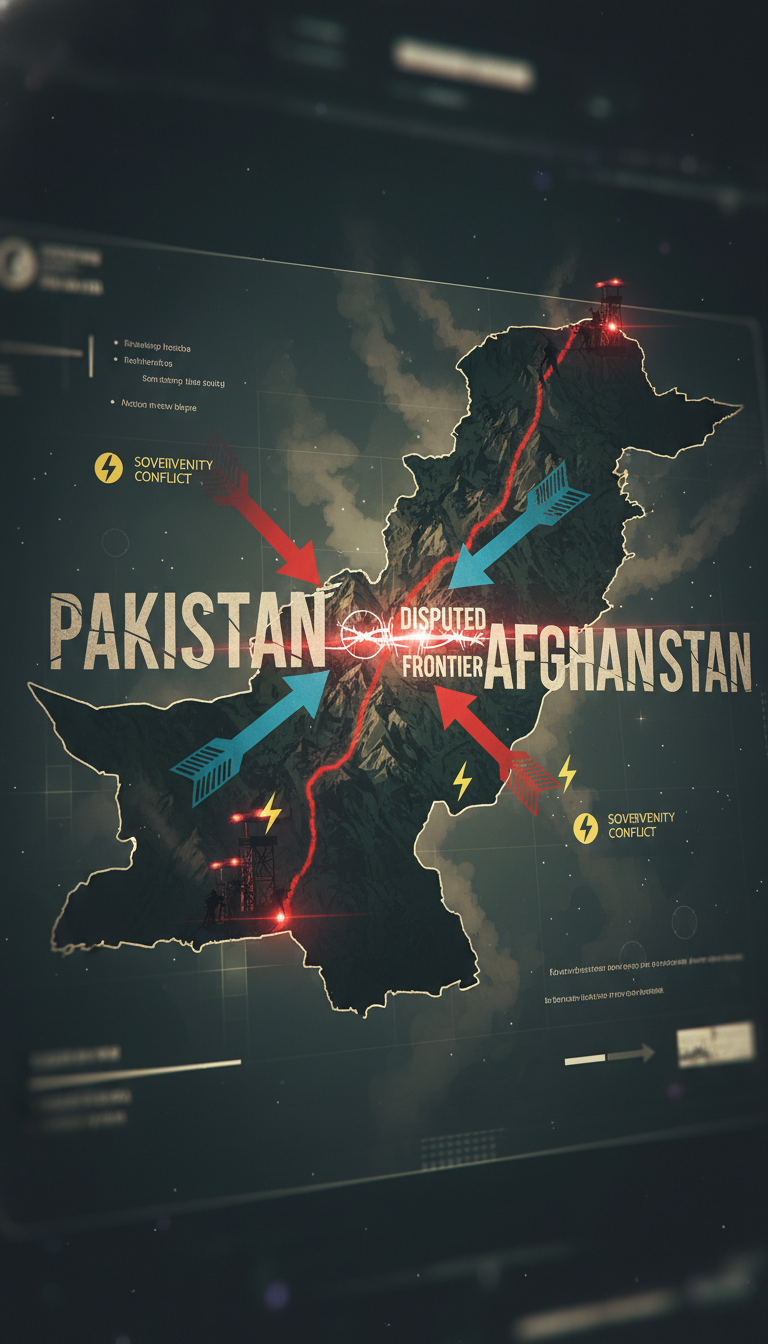
This is not an isolated tragedy. It sits inside a rapidly escalating confrontation between Pakistan and Taliban-ruled Afghanistan. Pakistan accuses the Taliban government of allowing TTP fighters and other militants to operate from Afghan soil. The Taliban rejects that claim or frames it as Pakistan’s internal problem. That disagreement has turned the border into a zone of recurring strikes, shelling, raids, and retaliation.
What makes this especially dangerous is that both sides believe they are defending sovereignty. Pakistan argues it is acting in self-defense against cross-border attacks. Afghanistan argues Pakistan has no right to strike inside Afghan territory. So every explosion is not just military action. It is also an argument about who has the right to use force, and where.
Explore our free history and politics courses

Political Theory I: Classical
University · Political Science

Political Theory II: Modern
University · Political Science

International Relations
University · Political Science
Comparative Politics
University · Political Science
Political Theories
Hobby course

International Relations
Hobby course
The long shadow of the Durand Line
To understand why emotions run so high, you have to go back to 1893, when the Durand Line was drawn under British imperial rule. Pakistan treats it as the international border. Many Afghans have long seen it as an imposed colonial boundary that split communities and never gained full legitimacy. That historical wound still shapes how cross-border operations are perceived.
So when Pakistani force crosses into Afghanistan, many Afghans do not see a narrow counterterrorism mission. They see a familiar pattern: outside power, imposed lines, and Afghan lives paying the price. History gives the present crisis extra fuel.
Why legitimacy matters as much as firepower
Modern conflicts are fought in two arenas at once: on the battlefield and in the contest for legitimacy. If Pakistan can damage militant networks, that may count as a tactical gain. But if the public image of the operation becomes dead civilians in Kabul, the strategic cost may be much higher.
- It can harden Afghan public anger and strengthen anti-Pakistan sentiment.
- It can make Taliban retaliation more politically likely.
- It can draw in louder regional reactions from India, China, and the United Nations.
- It can turn a border conflict into a broader crisis of credibility and escalation.
That is why incidents involving civilians are so often turning points. They reshape not only what happened, but what people believe the war is really about.
The regional stakes now
The reaction has already spread beyond governments. Afghan public figures, including cricketers with huge audiences, have used the language of war crimes and demanded international scrutiny. India has condemned the strike in sharp terms. China, with major interests tied to regional stability, has urged restraint. International bodies are likely to focus on de-escalation, civilian protection, and the risk of displacement.
If this incident becomes the defining image of the current phase of the conflict, it could push both countries closer to open confrontation. Border wars often widen not because leaders plan a full-scale war, but because each side feels it cannot afford to look weak after a shocking event.
A dangerous moment
The most important question now is not only what was targeted, but what this strike will come to represent. If civilians in Kabul become the face of the conflict, then one night of violence may end up changing the entire political trajectory of Pakistan-Afghanistan relations. In that sense, the battle is no longer just over territory or militants. It is over legitimacy, memory, and whether this crisis can still be contained.


