


History, Politics & World Affairs
Mar 18, 2026
Political Theory I: Classical
Political Theory II: Modern
International Relations
Comparative Politics
Political Theories
Why a Strike on South Pars Could Reshape the Israel-Iran Conflict
The reported Israeli strike on Iran’s South Pars gas facilities matters far beyond the blast site. It signals a shift from military targets to economic lifelines, with consequences
The reported Israeli airstrike on Iran’s South Pars natural gas facilities feels alarming for an obvious reason: it hit energy infrastructure, not just a battlefield target. But the deeper story is even more important. South Pars is not merely a big gas field. It is one of the core systems that helps keep Iran’s economy running, and that makes any attack there politically explosive far beyond the immediate damage.

That is why this story has spread so quickly. People are not only reacting to fire and smoke. They are reacting to the possibility that a long-running shadow war may be crossing into a more dangerous phase, where economic lifelines become fair game.
Why South Pars matters so much
South Pars is Iran’s section of the enormous offshore gas reservoir it shares with Qatar, where it is known as the North Dome. Together, it is widely regarded as the world’s largest natural gas field. For Iran, this is not a symbolic asset. It is central to domestic energy supply, industry, petrochemicals, and state revenue.
That matters because modern states do not run on military hardware alone. They run on electricity, industrial feedstocks, export earnings, and public confidence. A strike on a major gas complex can disrupt all four at once.
- Electricity: gas fuels power generation.
- Industry: factories and petrochemical plants depend on steady supply.
- Revenue: energy exports and downstream products bring in money.
- Psychology: markets and populations react fast when strategic infrastructure looks vulnerable.
Why this is different from hitting military targets
There is a strategic difference between assassinating commanders, bombing missile sites, and striking energy infrastructure. Military targets send a message about deterrence and battlefield capability. Energy targets send a broader message: your economy is now part of the war.
Explore our free history and politics courses

Political Theory I: Classical
University · Political Science

Political Theory II: Modern
University · Political Science

International Relations
University · Political Science
Comparative Politics
University · Political Science

Political Theories
Hobby course

International Relations
Hobby course
That shift can be more destabilizing than it first appears. A damaged refinery train or processing unit may take far longer to restore than a runway or warehouse. Even limited damage can force shutdowns, inspections, and precautionary slowdowns. In energy systems, fear itself can become part of the disruption.
A common misunderstanding is that if the physical damage is contained, the strategic effect is small. In reality, infrastructure attacks often work through interruption, uncertainty, and insurance risk as much as through destruction.
The regional danger: shared geography, shared anxiety
South Pars sits in a sensitive neighborhood near Qatar and close to the wider Gulf energy network. That is why nearby states get nervous so quickly. Once major energy hubs appear targetable, every refinery, export terminal, offshore platform, and tanker route starts to look more exposed.
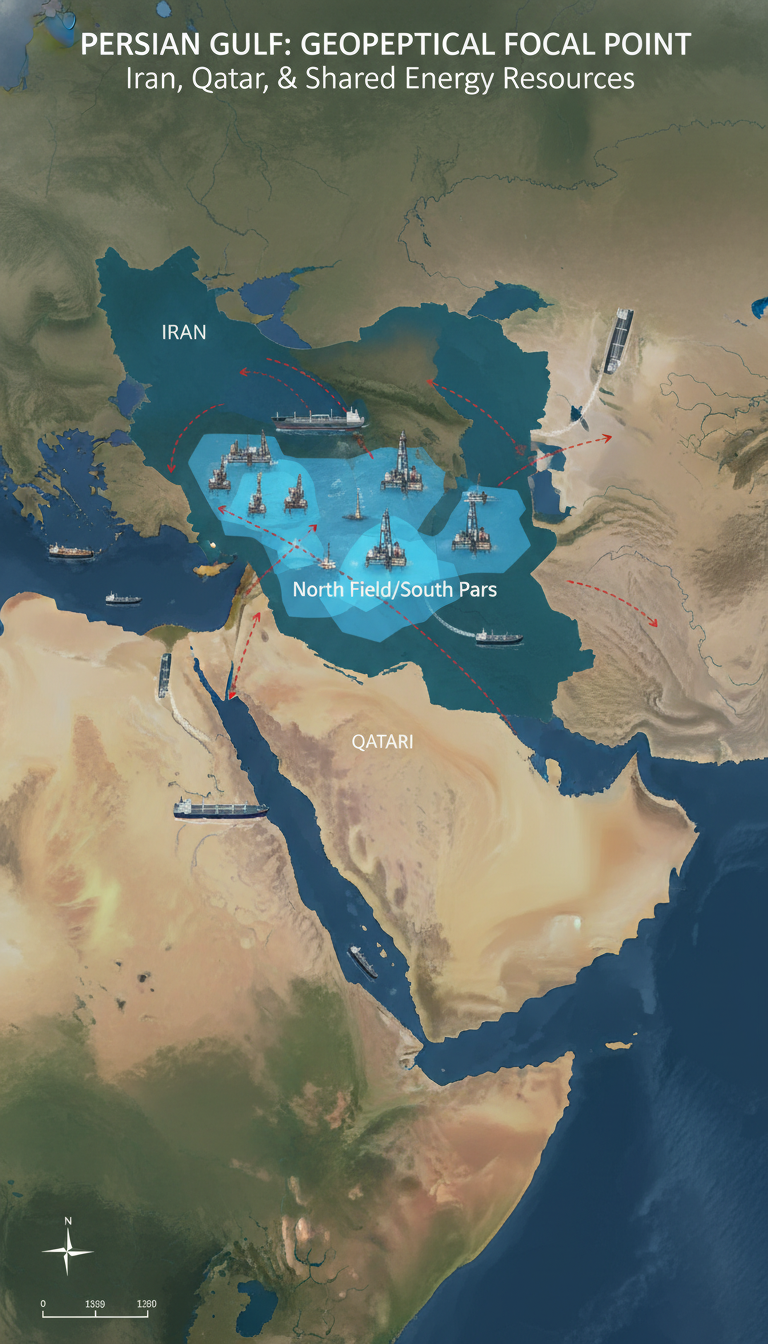
This is the part the short video only hints at: Gulf states do not need to be directly hit to feel the consequences. They can face higher security costs, shipping concerns, investor anxiety, and pressure to respond diplomatically. Even rumors of retaliation against Saudi, Emirati, or Qatari facilities can move prices and rattle governments.
How one strike travels through the global economy
The blast radius of an energy attack is often much bigger than the physical explosion. If output halts at a major gas facility, the effects can spread through several channels:
- Domestic shortages: less gas for power and industry inside Iran.
- Export disruption: reduced flows or downstream product losses.
- Market panic: traders price in future risk, not just current damage.
- Shipping and insurance: costs rise when the Gulf looks less secure.
A useful comparison is the 2019 attack on Saudi Aramco facilities at Abqaiq and Khurais. Even though the outage was partly restored faster than many expected, the immediate shock showed how a strike on a few critical nodes can jolt global markets.
What happens next depends on the threshold
The biggest question is not only how much damage was done. It is whether this normalizes attacks on energy lifelines. If both sides begin treating economic infrastructure as a routine target set, the region enters a more dangerous logic of escalation.
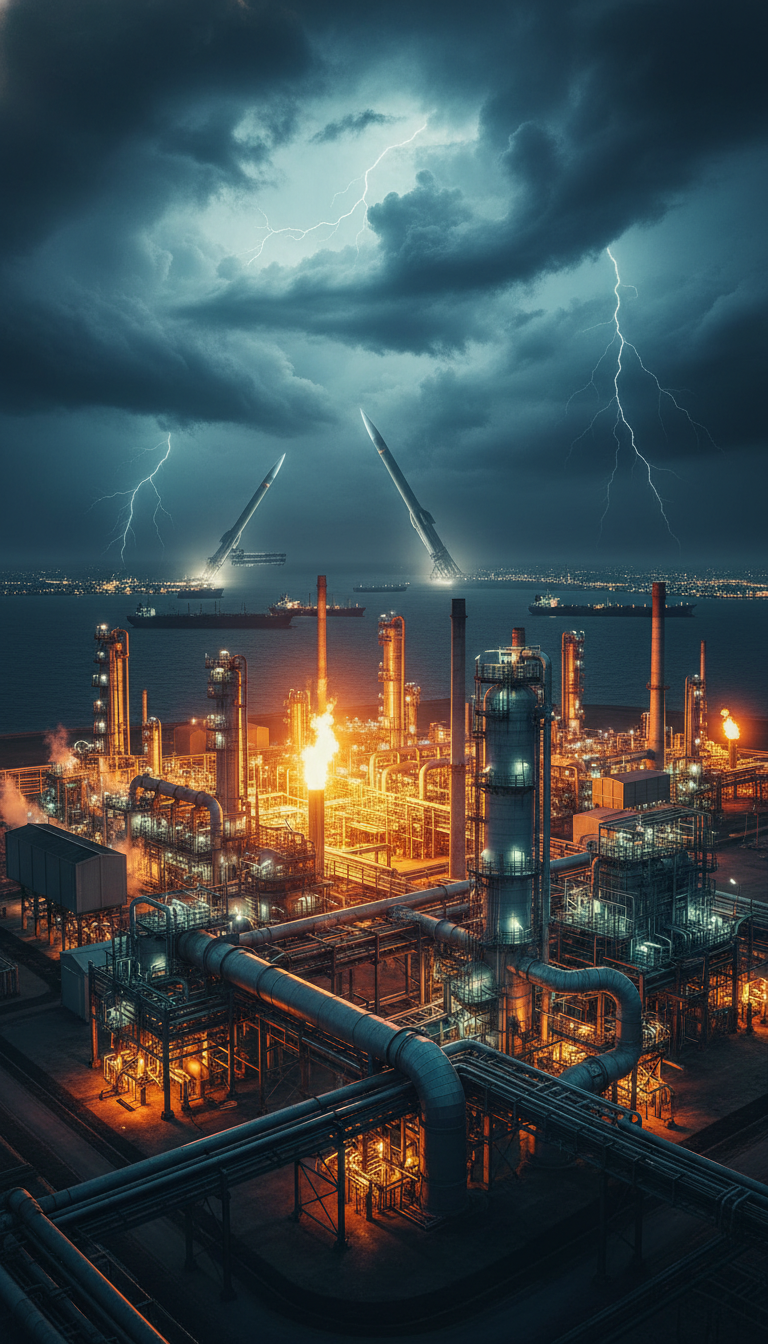
There are edge cases here too. Iran may choose symbolic retaliation rather than immediate large-scale escalation. Israel may calculate that limited strikes can impose costs without triggering full regional war. But thresholds have a habit of moving. Once crossed, they are hard to uncross.
That is why South Pars matters. The danger is not just what burned. It is the possibility that a shadow war is becoming a contest over the systems that keep entire countries functioning.
In short, this story is bigger than one airstrike. It is about whether the Middle East’s energy map is becoming an active battlefield—and what that would mean for diplomacy, markets, and the risk of a much wider crisis.


