

Economics
Mar 21, 2026
Principles of Economics
Microeconomic Theory
Macroeconomic Theory
Econometrics
Statistics for Economics
International Economics
Why the Strait of Hormuz Shock Hits America Anyway — and Why Reopening It Is So Hard
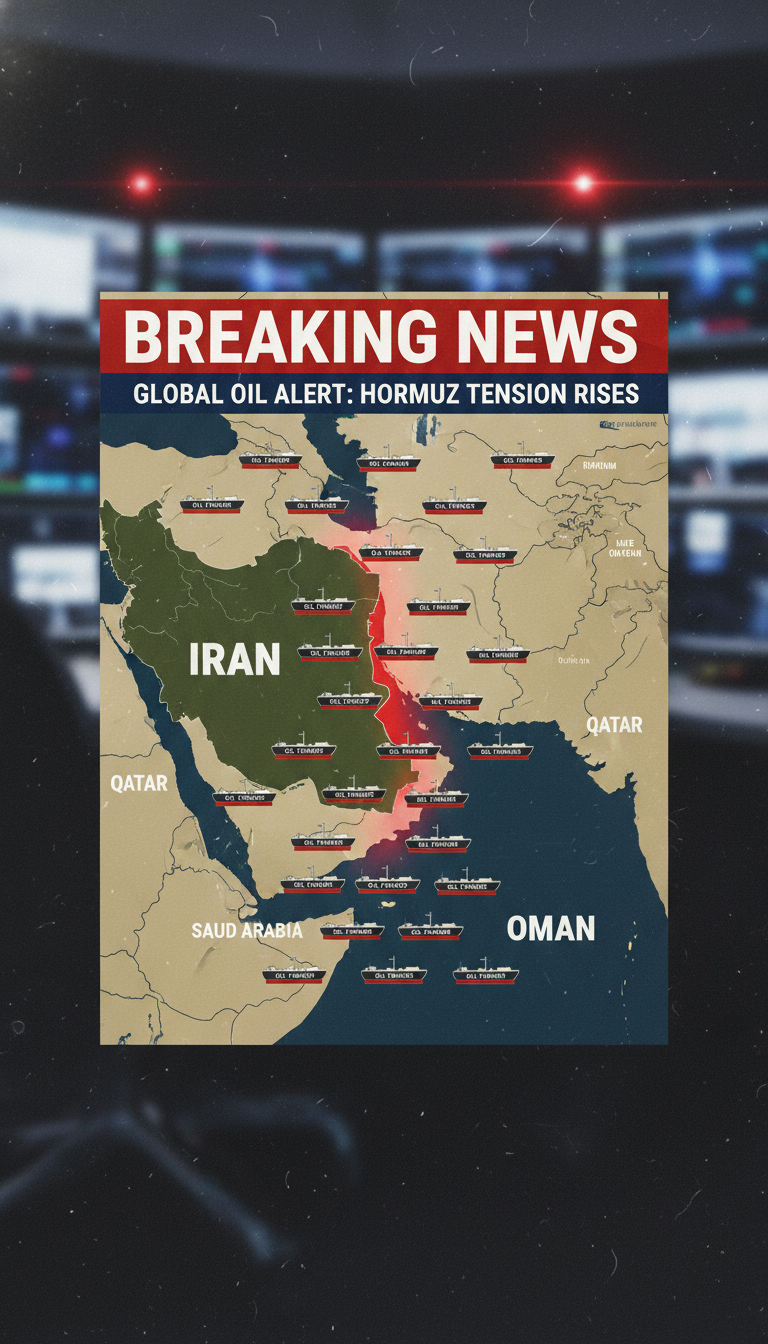
Iran’s effective blockade of the Strait of Hormuz has slashed tanker traffic and jolted oil markets. Here’s why US consumers still get hit even if America produces a lot of oil, an
The headline number is dramatic: roughly a fifth of global oil moves through the Strait of Hormuz. But the deeper story is not just that supply is threatened. It is that modern energy markets price risk globally, and the strait is uniquely hard to secure because disruption does not require a classic naval blockade. That is why Americans can feel the pain at the pump even if the US is a major oil producer, and why airstrikes may reduce danger without quickly restoring normal shipping.

Why the US still gets hit even if it produces a lot of oil
A common misconception is that America is insulated because it produces large amounts of oil at home. Physically, the US imports less Middle Eastern oil than in past decades. Economically, that does not protect it from a global price shock.
Oil is priced in a world market. If millions of barrels per day are suddenly at risk in the Gulf, buyers everywhere bid more aggressively for alternative barrels from the US, Latin America, West Africa, and elsewhere. That pushes up benchmark prices such as Brent and WTI. Refiners then pay more for crude, and consumers see higher gasoline and diesel prices.
In other words, the key mechanism is global substitution: even if the US does not need every lost Gulf barrel itself, someone else does, and they compete for the same pool of replacement supply. That is why a Hormuz disruption can raise US gas prices, worsen inflation, and tighten financial conditions.
Why this is not a simple blockade to “break”
Many people imagine reopening the strait as a straightforward military task: destroy a few ships, clear a lane, and traffic resumes. But Iran’s advantage is that it does not need to permanently seal the waterway with a visible wall of force. It only needs to make commercial transit feel unpredictably lethal.
That can be done with a mix of coastal missiles, drones, naval mines, fast attack craft, and harassment of tankers. Even a small chance of a hit can stop shipping because insurers raise rates, crews refuse voyages, and shipowners delay departures.
So the real target is not just enemy hardware. It is risk perception. A strait is not truly reopened when a navy says it is open; it is reopened when commercial operators believe the odds of loss are tolerable again.
Explore our free economics courses
Principles of Economics
University · Economics

Microeconomic Theory
University · Economics

Macroeconomic Theory
University · Economics

Econometrics
University · Economics
Statistics for Economics
University · Economics

International Economics
University · Economics
Why airstrikes help, but may not solve the problem quickly
Airstrikes can destroy missile batteries, radar, boats, storage sites, and minelayers. That matters. It reduces Iran’s capacity and raises the cost of continued disruption. But it does not automatically eliminate the most stubborn threats.
Three problems make this hard:
- Mines are cheap and slow to clear. Even a limited mining effort can force painstaking search and clearance operations.
- Small boats blend into cluttered waters. The Gulf is crowded, and distinguishing civilian from hostile traffic in real time is difficult.
- Mobile launchers can hide and relocate. Coastal geography favors shoot-and-scoot tactics.
This is why superior firepower does not guarantee a fast reopening. The US can suppress threats, but creating a reliably safe commercial corridor may take far longer than the first wave of strikes.
How big the economic damage could get
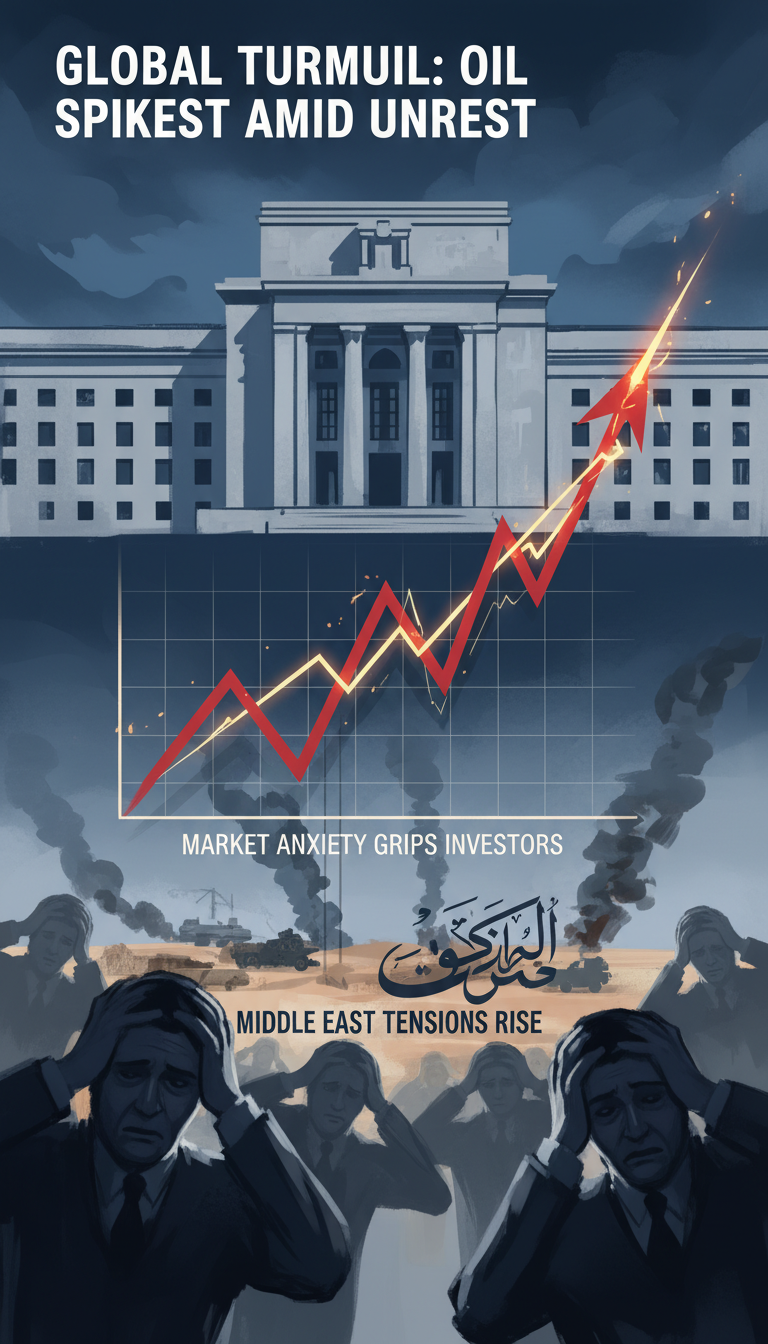
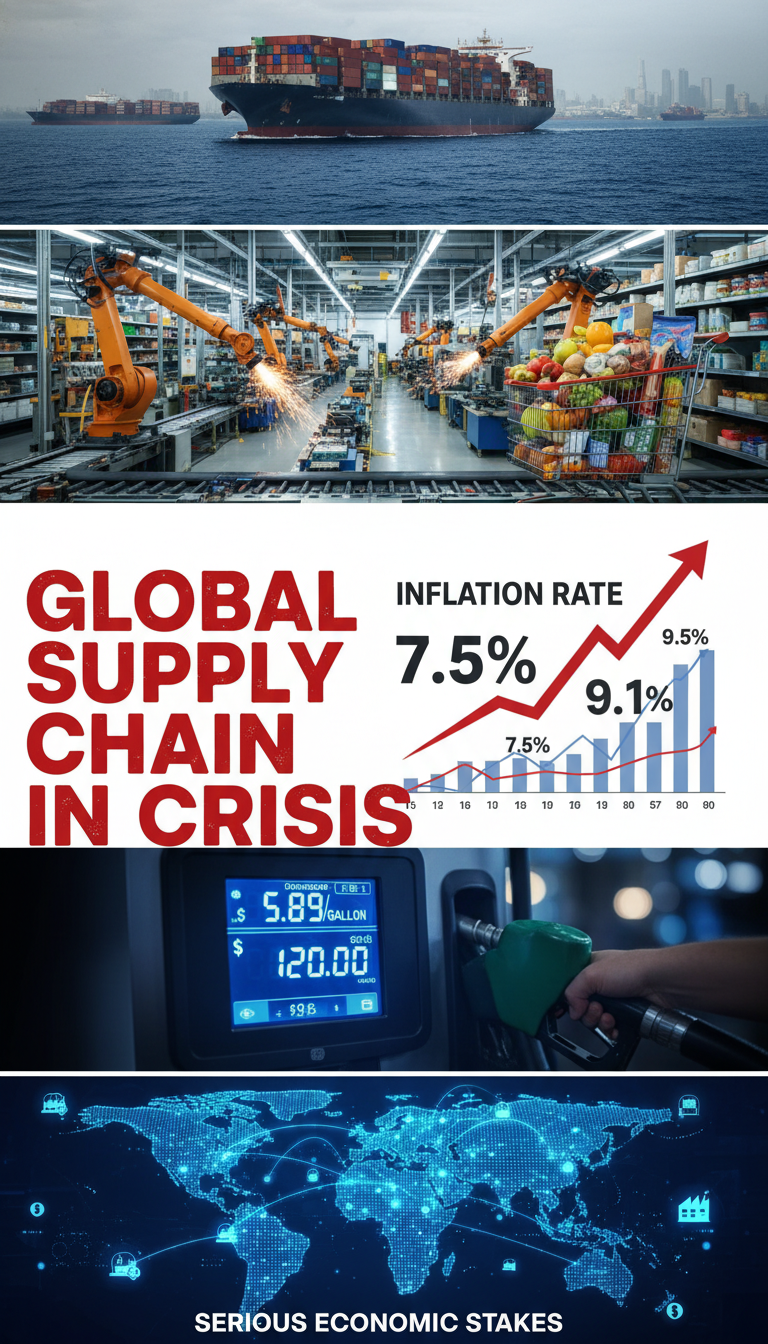
The immediate effect is higher oil and fuel prices. The broader danger is that energy becomes a transmission belt into the whole economy.
- Transport and shipping costs rise.
- Airlines, trucking, and manufacturers face margin pressure.
- Consumers cut other spending as fuel bills climb.
- Central banks become more cautious if inflation re-accelerates.
If disruption lasts days, markets may treat it as a shock premium. If it lasts weeks or longer, the risk becomes more serious: strategic petroleum reserve releases, demand destruction, and rising recession odds. Alternative pipelines in Saudi Arabia and the UAE can help, but they cannot fully replace normal Hormuz flows. That means the world is dealing not just with rerouting, but with a genuine bottleneck.
What to watch next
Two signals matter more than rhetoric. First, watch actual tanker transit counts, not official claims that the strait is “open.” Second, watch insurance rates and freight costs. Those often reveal whether the market believes security has truly improved.
Also watch whether the conflict expands to oil infrastructure beyond the strait itself. If attacks spread to major export facilities, the shock moves from severe to potentially historic.

The bottom line
So why does this hit the US? Because oil prices are global, and lost or threatened Gulf supply raises the price of replacement barrels everywhere. And why is reopening the strait so difficult? Because the challenge is not just destroying targets from the air. It is reducing mines, missiles, and small-boat threats enough that private shippers, insurers, and crews trust the route again.
That is the deeper layer behind the headlines: in energy markets, fear itself can move prices, and in narrow waterways, restoring confidence can be harder than winning the first military exchange.