

Biology
Mar 23, 2026
Molecular Biology
Genetics
Biochemistry
Cell Biology
Evolutionary Biology
Physiology
Why the FDA Is Letting Some Drug Developers Skip Animal Tests — and What Has to Be Proven First
The FDA’s new draft guidance does not ban animal testing. It creates a framework for when human-based methods like organoids, organ-on-chips, and computer models can replace some a
The headline makes it sound simple: the FDA is replacing animal testing. The deeper reality is more interesting. The agency is not declaring animals obsolete overnight; it is admitting something many scientists have known for years: a model can be familiar and still be a poor predictor of human biology. The new guidance matters because it shifts the question from “Was this tested in animals?” to “Does this method actually predict what happens in people?”
What the FDA actually changed
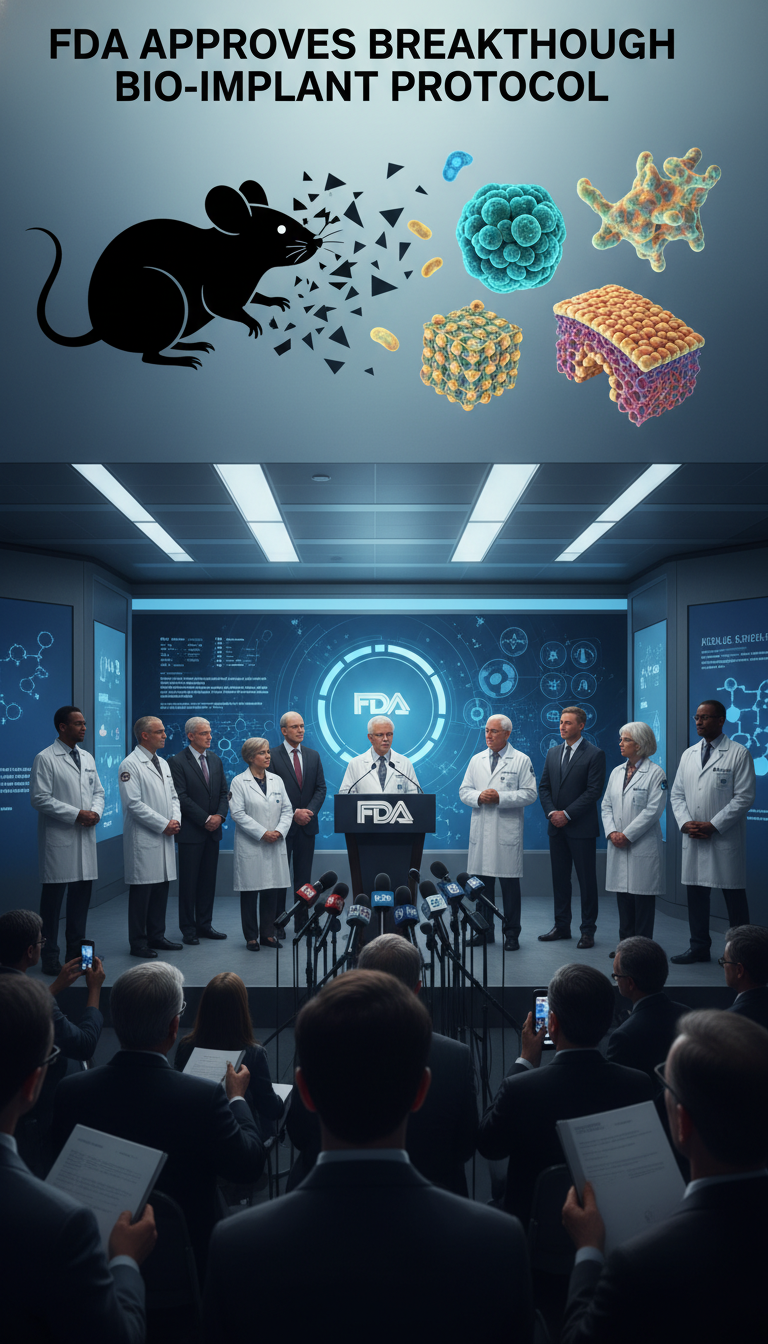
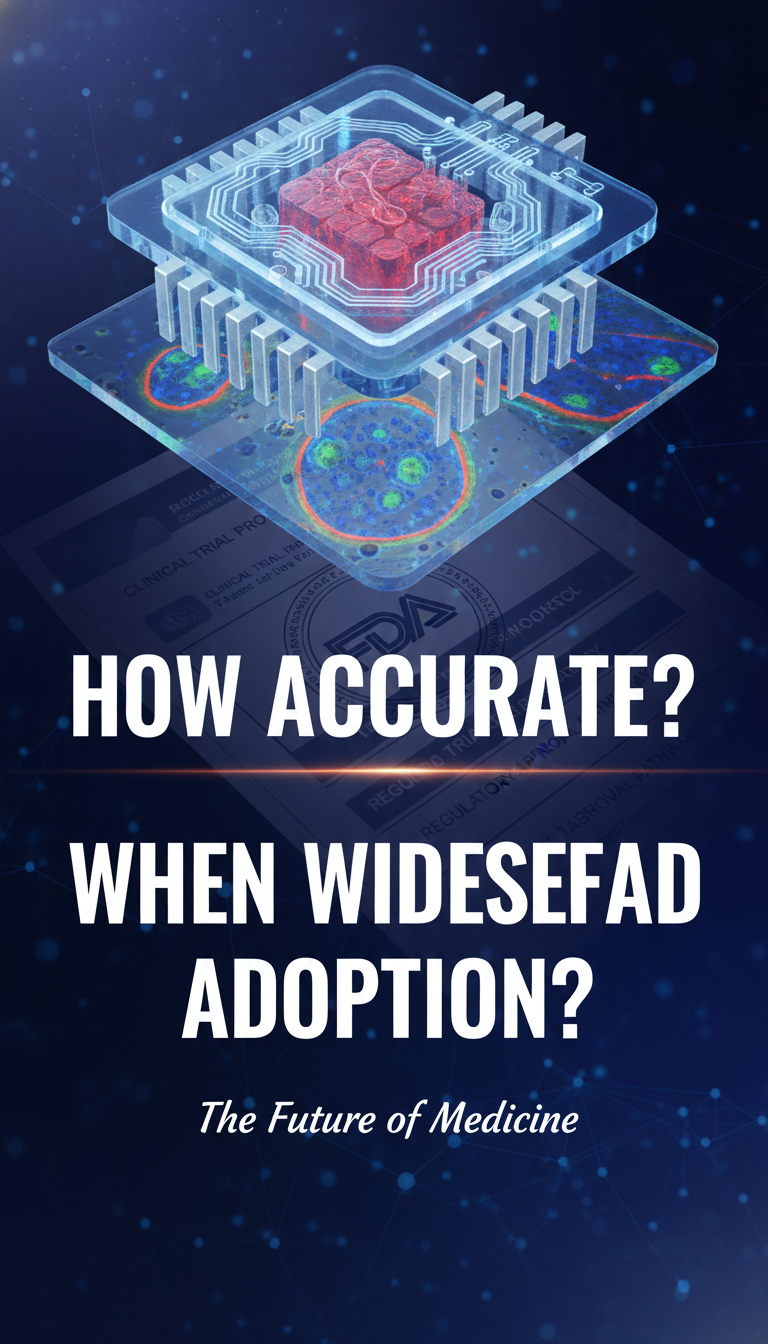
In March 2026, the FDA released draft guidance on New Approach Methodologies, or NAMs, for drug development. These include human cell-based lab systems, organoids, organ-on-chips, in silico models, in chemico assays, and in some cases lower organisms such as zebrafish. The guidance applies to nonclinical safety evidence submitted in INDs, BLAs, and some OTC pathways.
Crucially, this is not a ban on animal testing. It is a validation framework. If a NAM is shown to be reliable for a specific context of use, developers may use it instead of certain animal studies. If it is not yet good enough, animal data may still be required.
The four FDA principles are the backbone of that decision:
- Context of Use: what exact question the method is supposed to answer
- Human Biological Relevance: whether it reflects the human pathway or tissue that matters
- Technical Characterization: whether the method is reproducible and measurable
- Fit-for-Purpose: whether it performs well enough for the regulatory decision at hand
Why animal models often miss human toxicity
The core biological problem is species difference. Mice, rats, dogs, monkeys, and humans do not process chemicals in the same way. One major reason is metabolism, especially enzymes such as the CYP450 family in the liver. A drug may be harmless in a rodent if that animal breaks it down quickly, yet toxic in humans if our enzymes create a damaging metabolite or clear it more slowly.
Differences also show up in immune signaling, receptor biology, developmental timing, and tissue repair. That means an animal can give a clean result while missing the very mechanism that causes harm in people. This is one reason so many drugs that look acceptable before clinical trials still fail later.
Explore our free biology courses
Molecular Biology
University · Biology
Genetics
University · Biology
Biochemistry
University · Biology
Cell Biology
University · Biology
Evolutionary Biology
University · Biology
Physiology
University · Biology
How NAMs can model human biology more directly
NAMs try to replace indirect similarity with direct relevance. A liver organoid or liver-on-chip can use human hepatocytes, expose them to realistic concentrations, and measure whether human metabolic pathways generate toxic byproducts. Some chips also recreate flow, oxygen gradients, and cell-to-cell interactions that ordinary flat cell cultures miss.
That matters because toxicity is often not just about whether a cell dies. It can depend on where the chemical goes, how it is metabolized, and which neighboring cells amplify the damage. Organ-on-chip systems can capture shear stress, barrier function, and multicellular responses in ways that are closer to human physiology than many animal models.
Some NAMs are already well established. In skin toxicology, validated in vitro approaches have outperformed older animal methods for certain endpoints. The FDA’s guidance builds on that logic: use the method that best predicts the human outcome for the specific question being asked.

What has to be proven before a NAM can replace animals
This is the part the short video should not fully resolve, because it is where the real scientific tension lives. A NAM does not “win” just because it is modern or humane. It has to show that it works for a defined endpoint, such as liver injury, skin sensitization, or developmental toxicity.
That usually means evidence like:
- reproducible results across labs
- clear measurement standards and quality controls
- comparison against known human outcomes, not just animal benchmarks
- proof that the model captures the relevant mechanism of harm
For simple endpoints, one NAM may be enough. For harder problems like carcinogenicity or systemic toxicity, the FDA will likely rely on weight-of-evidence packages that combine chips, organoids, computational models, chemistry data, and sometimes targeted animal studies.
What gets adopted first — and what changes next
The first methods likely to expand are those with strong validation and relatively clear biology: liver toxicity platforms, skin and irritation assays, absorption and metabolism models, and some neurotoxicity or cardiac screening systems. Complex whole-body questions will take longer because they involve multiple organs, immune effects, and long time scales.
The biggest long-term payoff is not only ethics. Better human prediction could reduce late-stage trial failures, cut wasted spending, and help identify dangerous compounds earlier. NIH’s investment and the FDA’s roadmap suggest the agency expects a real shift within a few years, but not a reckless one.
Conclusion
So why is the FDA doing this now? Because the scientific standard is slowly changing from tradition to predictivity. And what has to be proven first? That each alternative method is reliable for a specific human safety question, not just impressive in the lab. The future is probably not “animals versus NAMs,” but a more human-centered evidence system in which animal studies are used only when they truly add information.