

Psychology
Mar 19, 2026
Introduction to Psychology
Cognitive Psychology
Developmental Psychology
Abnormal Psychology
Social Psychology
Biopsychology/Neuroscience
Why the Cesar Chavez Rally Cancellations Feel So Personal
The cancellations around Cesar Chavez Day are not just about politics or public relations. They reveal a deeper psychological shock: what happens when a community’s moral hero is s
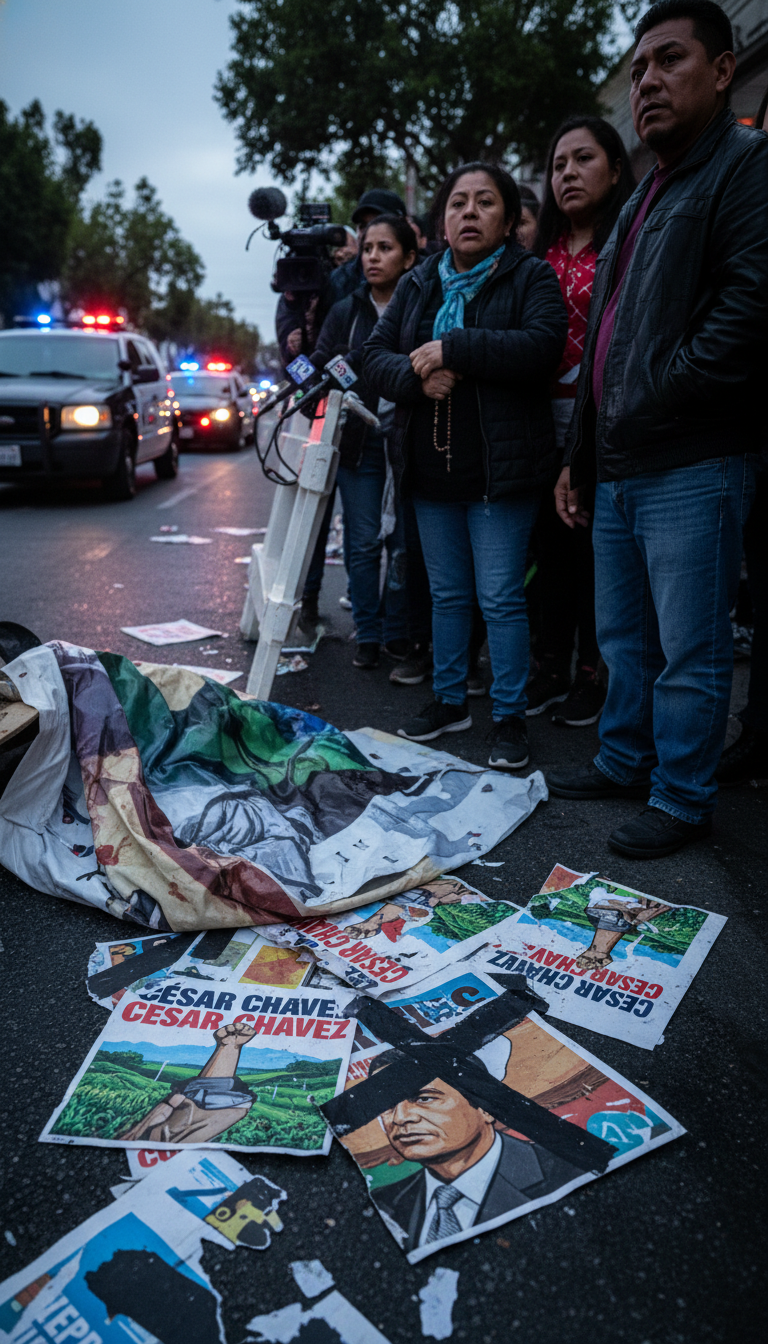
The sudden cancellation or renaming of Cesar Chavez Day labor rights rallies has landed with unusual emotional force. For many people, this is not just a news cycle about a historical figure. It feels like a rupture in memory, identity, and community trust.
That reaction makes sense psychologically. When a public hero is woven into family stories, school lessons, and movement history, allegations of abuse do more than damage a reputation. They can destabilize the meaning people attached to an entire cause.
Why this feels bigger than ordinary disappointment
Psychologists sometimes use the term betrayal trauma for harm connected to someone or something a person depends on for safety, meaning, or belonging. Usually we think of that in families or institutions. But communities can experience a version of it too.
In many Latino, labor, and farmworker communities, Chavez was not just a leader. He was a moral symbol. His image stood for sacrifice, dignity, and protection of vulnerable workers. When that symbol is linked to predation, people may feel grief, anger, confusion, and even shame for having trusted the story so deeply.
That is why reactions often sound intensely personal: betrayed, devastated, shocked. The mind is not only processing allegations. It is processing the collapse of a trusted narrative.
How hero figures become part of identity
Communities do not admire famous figures in a vacuum. They build rituals around them: holidays, marches, murals, school projects, family conversations. Over time, the person stops being just a person and becomes a container for shared values.
That creates a powerful psychological shortcut. Instead of asking, “What practices protect workers?” people can unconsciously slide into, “This leader represents justice, so the story must be safe.”
Explore our free psychology courses
Introduction to Psychology
University · Psychology
Cognitive Psychology
University · Psychology
Developmental Psychology
University · Psychology
Abnormal Psychology
University · Psychology
Social Psychology
University · Psychology
Biopsychology/Neuroscience
University · Psychology
A concrete example: if someone grew up attending Chavez Day events with parents or grandparents who saw farmworker organizing as sacred, the new allegations can feel like an attack on family memory itself. That does not mean the allegations should be ignored. It means the emotional stakes are much higher than outsiders may realize.
The mental strain of holding two truths at once
This is where cognitive dissonance comes in. People are trying to hold two conflicting ideas: Chavez helped build a major labor movement, and Chavez may also have seriously harmed vulnerable people.
That tension is painful, so people often try to reduce it quickly. Common reactions include:
- denying or minimizing the allegations
- attacking survivors or messengers
- insisting good public work cancels private abuse
- swinging to the opposite extreme and dismissing the entire movement
A common misunderstanding is that acknowledging abuse means erasing labor history. It does not. Mature moral judgment is the ability to keep the achievements visible without using them as a shield against accountability.
Why renaming events can actually help
The video points out that renaming rallies matters, and the deeper reason is this: it helps separate a movement’s values from a single idealized figure. That is psychologically stabilizing.
When communities shift attention toward farmworkers, survivors, or broader labor rights, they create room for both truth and continuity. The cause does not have to die with the myth.
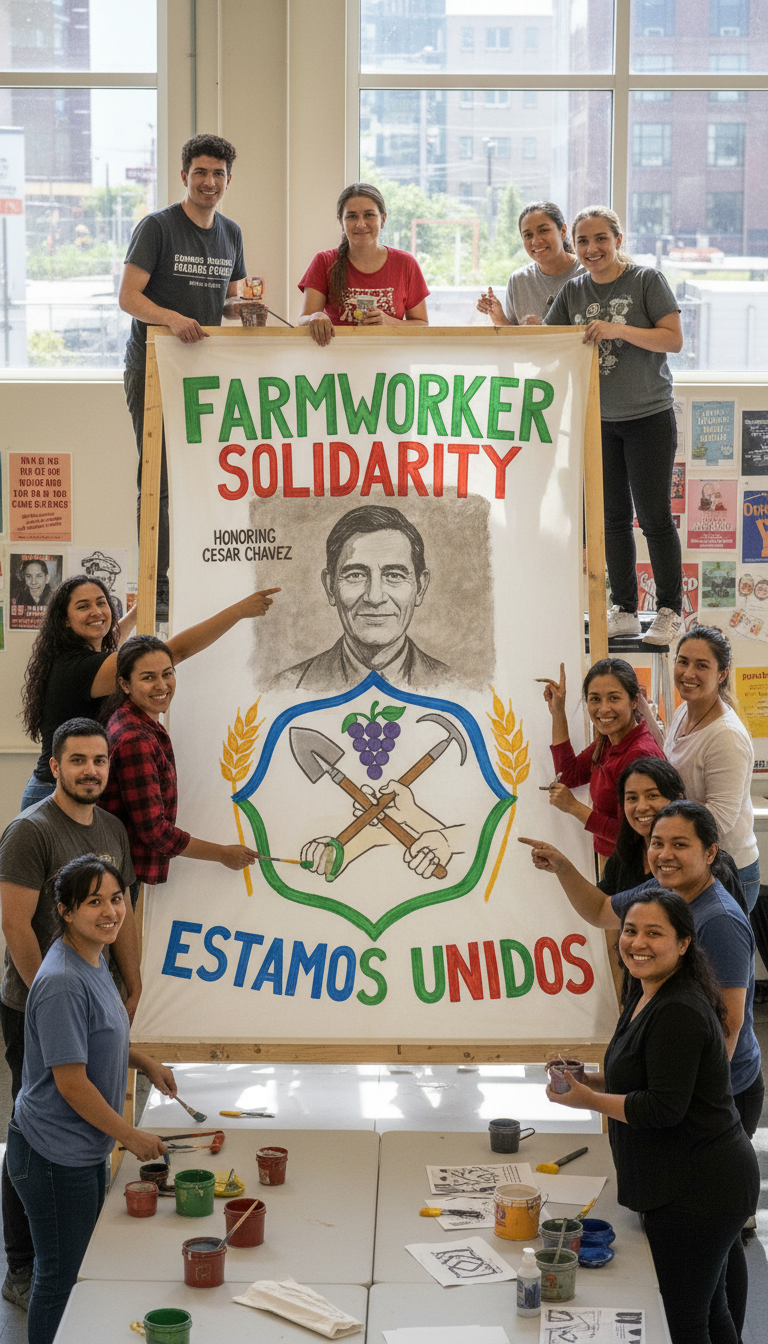
This is an important edge case. Sometimes people hear a renamed event and assume it is just symbolic public relations. But symbols shape collective memory. A “Farmworker Day” frame tells younger generations that justice belongs to many people, not one untouchable icon.
What healing looks like after a pedestal fall
Healing is not only for direct survivors, though they must remain central. It also includes families, organizers, and younger community members dealing with secondary shock and grief. Trauma-informed responses matter because public scandals can reactivate old wounds, especially in communities already familiar with silence around abuse.
Healthy next steps often include:
- centering survivor testimony without sensationalizing it
- teaching movement history with complexity, not mythology
- sharing leadership across many trusted people
- building institutions that are accountable even when leaders are admired
The larger lesson for any movement
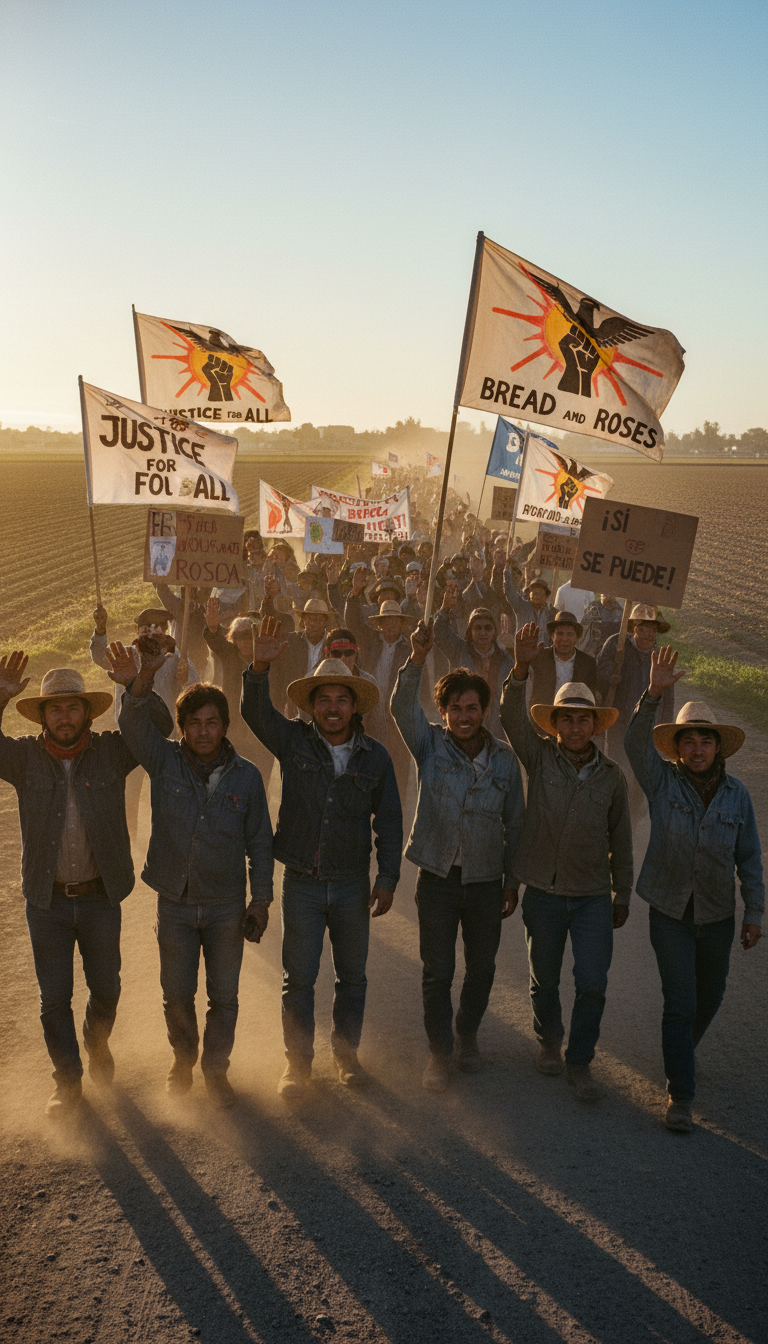
The most durable movements do not place all moral authority in one person. Hero worship can inspire people at first, but it can also hide danger by making criticism feel disloyal.
A healthier model is distributed trust: many leaders, clear safeguards, and values that survive even when individuals fail. That may be the most important lesson in this moment. If communities can move from myth to maturity, they do not just preserve the cause. They make it safer.
The rally cancellations feel personal because they touch identity, memory, and trust all at once. But they can also mark a turning point: away from pedestal politics, and toward a movement strong enough to tell the truth about its own heroes.