

Psychology
Mar 23, 2026
Introduction to Psychology
Cognitive Psychology
Developmental Psychology
Abnormal Psychology
Social Psychology
Biopsychology/Neuroscience
Why 48-Hour Ultimatums Feel Powerful in a Crisis — and Why They Can Backfire Fast
Trump’s 48-hour ultimatum to Iran over the Strait of Hormuz is more than a geopolitical threat. It is a case study in threat framing, deadline psychology, and crisis decision-makin
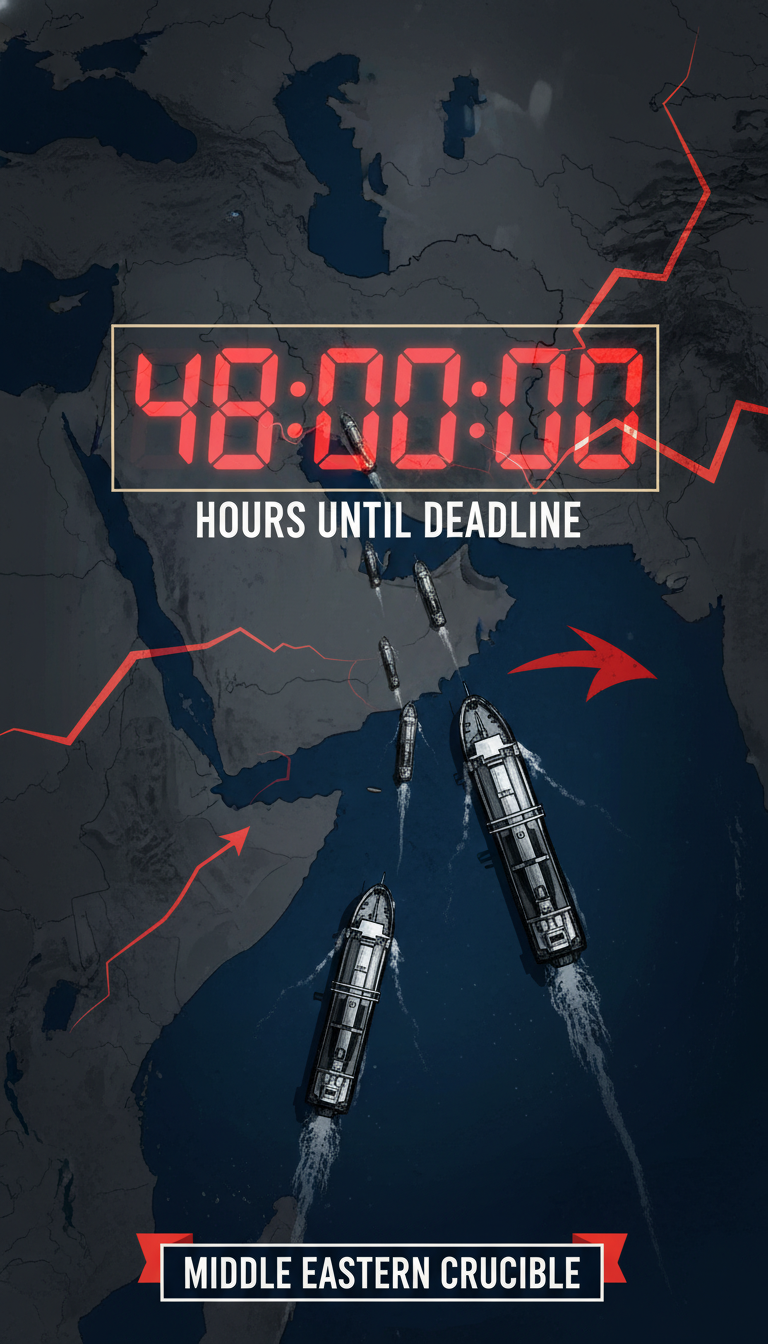
Trump’s 48-hour ultimatum to Iran over the Strait of Hormuz grabbed attention because it compressed a huge geopolitical conflict into a simple psychological frame: comply now or face immediate punishment. That kind of message feels decisive, but the deeper story is not just about toughness. It is about how deadlines, public threats, and vivid imagery change decision-making for leaders, militaries, markets, and ordinary audiences all at once.
To understand why this kind of message can work—and why it can also become dangerous—you have to look at the psychology of coercion, not just the military balance.
Why a 48-hour deadline hits so hard
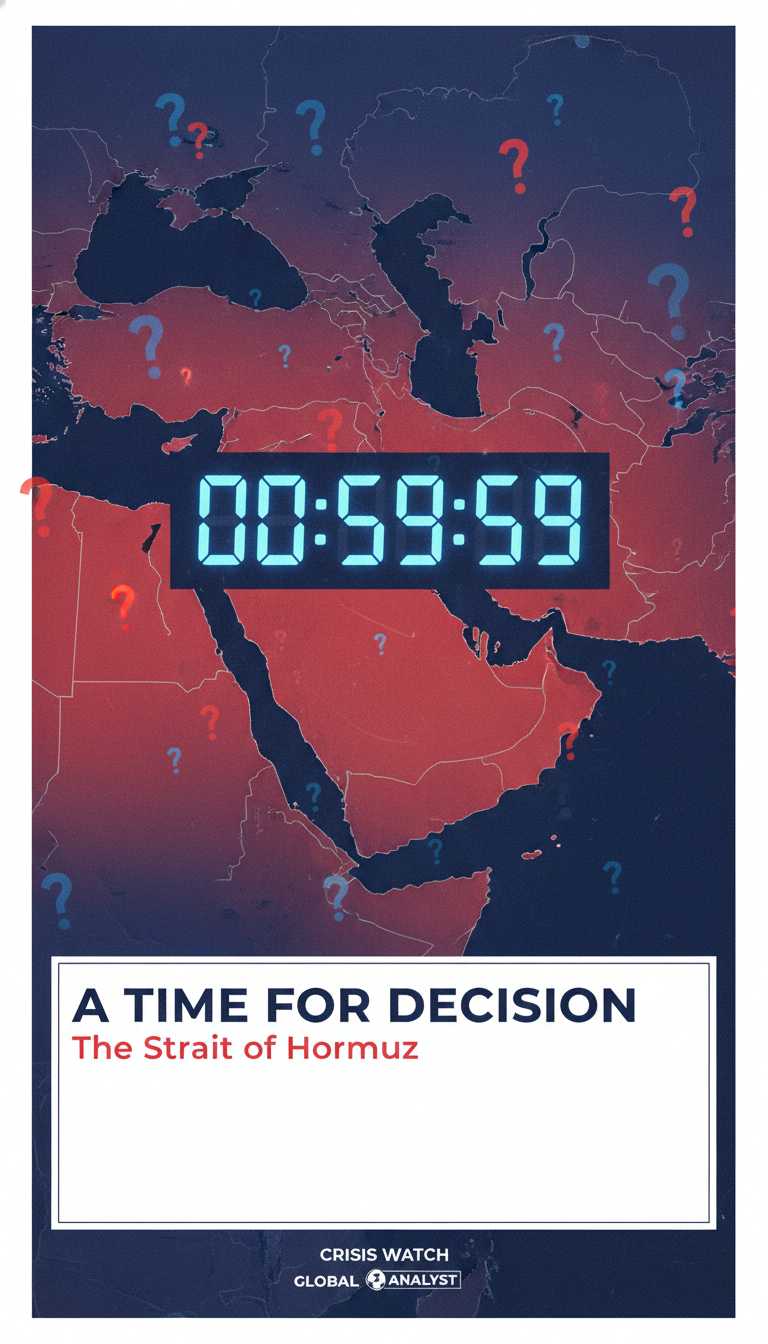
A short deadline creates time pressure, and time pressure narrows thinking. In psychology, this often pushes people away from slow deliberation and toward fast, defensive choices. For the public, a countdown creates drama. For leaders, it creates a forced decision point.
The wording matters too. A threat like striking power plants “starting with the biggest one first” is unusually vivid. Vivid threats are easier to imagine, and what is easy to imagine feels more real and more likely. That increases fear and perceived credibility even before any action happens.
This is why such statements can move oil markets, allies, and adversaries quickly: they do not just communicate intent, they create a mental picture of consequences.
How threat framing can coerce without immediate force
The mechanism is called compellence: trying to make another side do something, not merely stop something. Compellence is harder than deterrence because it asks the target to visibly back down. That creates a status problem. If Iran fully reopens the strait right after a public ultimatum, its leaders may look weak at home and to regional partners.
Explore our free psychology courses
Introduction to Psychology
University · Psychology

Cognitive Psychology
University · Psychology

Developmental Psychology
University · Psychology
Abnormal Psychology
University · Psychology
Social Psychology
University · Psychology

Biopsychology/Neuroscience
University · Psychology
That is why public ultimatums are psychologically double-edged. They increase pressure, but they also reduce the other side’s room to save face. A leader under threat may choose a partial concession, symbolic retaliation, or ambiguity rather than open compliance.
That helps explain one of the most confusing details in this story: the strait was not simply “open” or “closed.” Reports suggested partial access for neutral shipping with coordination, while threats still scared off traffic. Psychologically, ambiguity can be useful. It lets a state signal strength without fully triggering the costs of total closure.
Why public threats can trap the person making them
Ultimatums do not only pressure the target. They also create audience costs for the person issuing them. Once a leader makes a public, specific, time-bound threat, backing down can look weak to supporters, rivals, and allies.
That is one reason analysts debate whether this is bluff or credible threat. The better question is: what makes a public ultimatum become harder to walk back? Usually three things:
- Specificity: a clear deadline and named targets
- Reputation: prior cases of both restraint and follow-through
- Context: whether military positioning and allied messaging support the threat
Trump’s reputation is psychologically potent because it is mixed. Opponents may think he bluffs; supporters point to past follow-through. That unpredictability can strengthen coercion in the short term because the target cannot safely assume restraint.
Why this raises the risk of miscalculation
The biggest danger is not simply aggression. It is misreading. Under stress, leaders are more likely to overestimate control, underestimate escalation, and interpret ambiguous signals as hostile. Social media intensifies this by rewarding certainty, dominance, and emotional reaction over nuance.

In a crisis like Hormuz, each side may believe it is sending a limited signal while the other side experiences it as an existential threat. Threats to energy infrastructure and desalination plants are especially dangerous because they blur military pressure with civilian suffering. That can harden public opinion, reduce diplomatic flexibility, and widen the conflict beyond its original trigger.
Can this strategy work—and what do experts watch next?
Yes, this kind of strategy can work if the target believes the threat is credible and still has a face-saving path to partial compliance. It fails when the target sees surrender as more dangerous than escalation.
Experts usually watch for a few concrete signals after a deadline:
- Whether military assets move into positions consistent with the threat
- Whether backchannel diplomacy offers an off-ramp
- Whether the target makes partial concessions that can be reframed as mutual de-escalation
- Whether markets and allies behave as if they expect action, not just rhetoric
So what makes this spread so fast even when evidence is incomplete? The answer is the combination of countdown pressure, vivid imagery, and uncertainty. And who benefits from keeping it that way? Often, both sides do temporarily: one projects dominance, the other projects defiance.
Conclusion
A 48-hour ultimatum feels powerful because it compresses fear, clarity, and urgency into one message. But psychologically, that same clarity can corner both sides. The real issue is not whether tough language sounds strong. It is whether the threat leaves enough room for compliance without humiliation. In crisis psychology, that narrow space often determines whether a deadline ends a confrontation—or detonates it.