

Medicine
Mar 21, 2026
Human Anatomy
Human Physiology
Biochemistry
Pathology
Pharmacology
Clinical Skills
Why High Blood Pressure-Related Heart Deaths Are Rising So Fast in Younger Women
A new U.S. analysis found hypertensive heart disease deaths quadrupled in women ages 25 to 44 from 1999 to 2023. Here’s what hypertensive heart disease actually is, what may be dri
At first glance, the headline sounds almost impossible: heart deaths tied to high blood pressure have quadrupled in younger women. But the deeper story is not just that blood pressure is rising. It is that a condition many people think of as mild, older-age, or easily caught can quietly remodel the heart for years before anyone realizes the danger. Understanding why this trend is happening means looking beyond one cause and seeing how biology, pregnancy history, treatment gaps, and unequal access to care may be converging.
What hypertensive heart disease actually means
Hypertensive heart disease, or HHD, is damage to the heart caused by chronically elevated blood pressure. When pressure stays high, the heart has to pump against greater resistance. Over time, the heart muscle thickens, stiffens, and may eventually weaken. That can lead to heart failure, rhythm problems, enlarged heart chambers, and sudden death.
So the study’s finding is not simply about “having high blood pressure.” It is about blood pressure being high long enough, or poorly controlled enough, to cause structural heart damage. In the ACC 2026 analysis of CDC WONDER data, U.S. women ages 25 to 44 saw HHD mortality rise from 1.1 to 4.8 per 100,000 between 1999 and 2023, with 29,041 deaths over that period.
That matters because it directly challenges a common misconception: that serious heart disease in women is mostly a post-menopause problem.
Why might younger women be seeing a sharper rise?
No single factor has been proven to explain the entire increase, and that is the key point. The most likely answer is a stack of risks acting together.
- More hypertension at younger ages: obesity, poor sleep, chronic stress, high sodium intake, and lower physical activity all raise blood pressure risk.
- Poorer blood pressure control: younger adults are often screened less consistently, feel fine despite high readings, and may stop treatment because symptoms are absent.
- Pregnancy-related warning signs: preeclampsia and gestational hypertension are not just temporary pregnancy problems. They can mark a much higher future risk of chronic hypertension and heart disease.
- Under-recognition in women: women have historically been less aggressively treated for cardiovascular risk, and younger women may be perceived as “too young” for heart disease.
That helps answer one big question: how could this rise happen? Not because one new disease appeared, but because several known risks may be accumulating earlier and being acted on too late.
Explore our free medicine courses

Human Anatomy
University · Medicine
Human Physiology
University · Medicine

Biochemistry
University · Medicine

Pathology
University · Medicine

Pharmacology
University · Medicine
Clinical Skills
University · Medicine
Why Black women and the South are hit hardest
The disparities are too large to dismiss as chance. In 2023, non-Hispanic Black women had the highest HHD mortality rate, 8.6 per 100,000, compared with 2.3 per 100,000 in White women. The South also had roughly double the rate of the West.
These gaps likely reflect more than biology. Experts usually point to a mix of structural factors: less access to preventive care, delayed diagnosis, medication cost barriers, neighborhood food environments, chronic stress, and differences in postpartum follow-up after hypertensive pregnancy disorders. If blood pressure is measured later, treated later, or controlled less consistently, heart damage has more time to develop.
Importantly, the study found no major urban-rural difference, which suggests the problem is not just “city versus country.” It may be more about regional systems of care and longstanding inequities.
Could the numbers be partly explained by coding changes?
Possibly, but probably not entirely. Death certificate coding can shift over time, and researchers should always consider whether some of the rise reflects better recognition or different classification of hypertensive heart disease. But a fourfold increase over more than two decades is large enough that most experts would be cautious about blaming coding alone.
In other words, coding may affect the exact size of the increase, but it is unlikely to fully explain away the trend. The broader context also fits: hypertension, obesity, and pregnancy-related cardiovascular risk have all become more prominent concerns in younger adults.

What experts think happens next
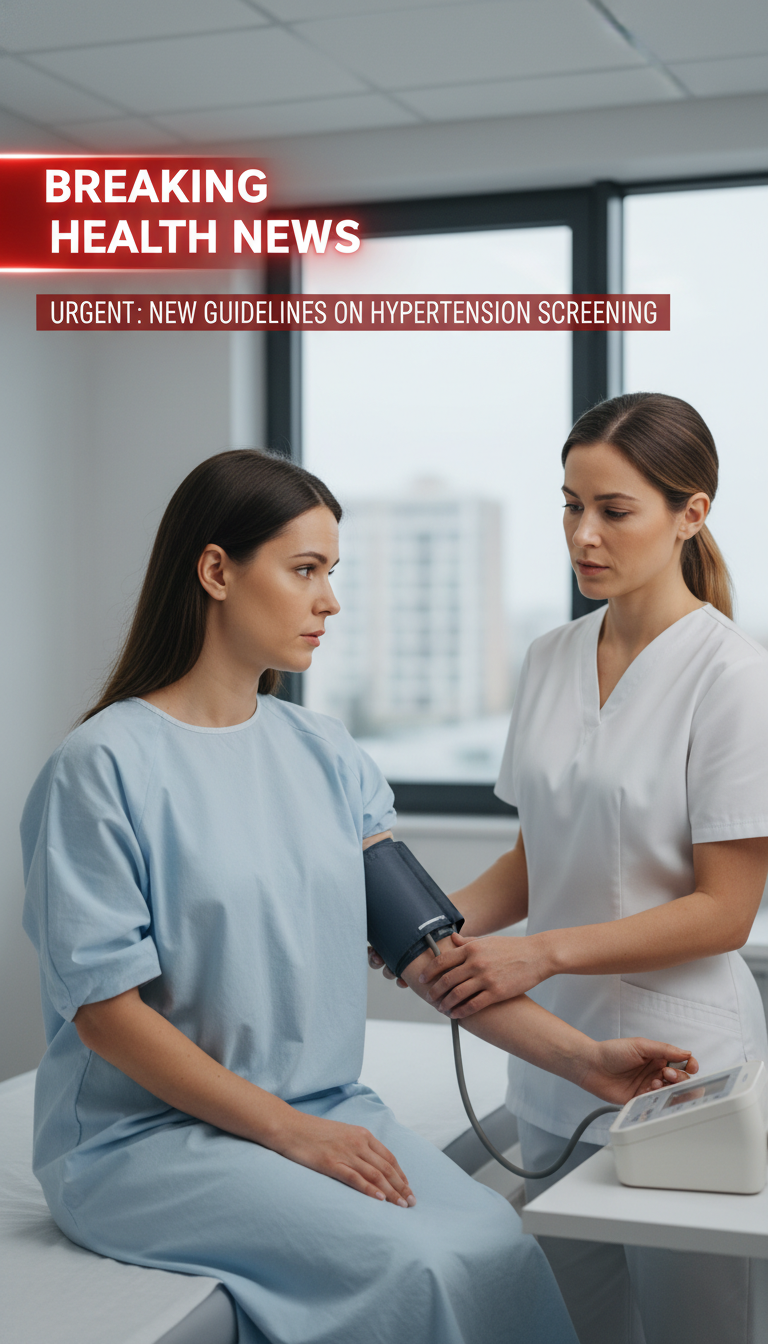
The most likely future is not inevitable worsening. This is one of the more preventable cardiovascular trends if health systems respond early. Experts are calling for more aggressive blood pressure screening in younger women, especially those with family history, obesity, prior preeclampsia, or Black racial identity in settings where risk is known to be higher.
That response includes:
- Routine blood pressure checks before symptoms appear
- Follow-up after elevated readings instead of “watch and wait” drift
- Better postpartum cardiovascular care after preeclampsia or gestational hypertension
- Earlier treatment when lifestyle changes are not enough
- Clearer recognition that young women are not low-risk by default
For individuals, urgent safety advice is straightforward: do not ignore repeated high readings, swelling, shortness of breath, unusual fatigue, or pregnancy-related blood pressure issues. High blood pressure is treatable, and early treatment matters.

The bottom line
The rise in blood pressure-related heart deaths among younger women is probably not caused by one hidden trigger. It is more likely the result of earlier hypertension, missed warning signs, pregnancy-related risk, and unequal care compounding over time. And experts do not think the trend has to continue: the same data that reveal the problem also point to the solution—find high blood pressure earlier, take it seriously in young women, and treat it before heart damage becomes irreversible.