

Psychology
Mar 21, 2026
Introduction to Psychology
Cognitive Psychology
Developmental Psychology
Abnormal Psychology
Social Psychology
Biopsychology/Neuroscience
Why BTS’s Netflix Comeback Felt So Intense: The Psychology Behind a Four-Year Reunion
BTS’s first full-group live concert in nearly four years was more than a music event. Here’s why the reunion hit fans so hard, how global live viewing amplified the emotion, and wh
BTS’s full-group return on Netflix was not just a comeback concert. For many viewers, it felt like relief, proof, reunion, and payoff all at once. That intensity can look irrational from the outside, but there is a deeper psychological logic behind it. The four-year gap, the uncertainty around military service, and the shared live experience created a rare emotional setup: fans were not simply watching a performance, they were resolving a long period of suspended attachment.
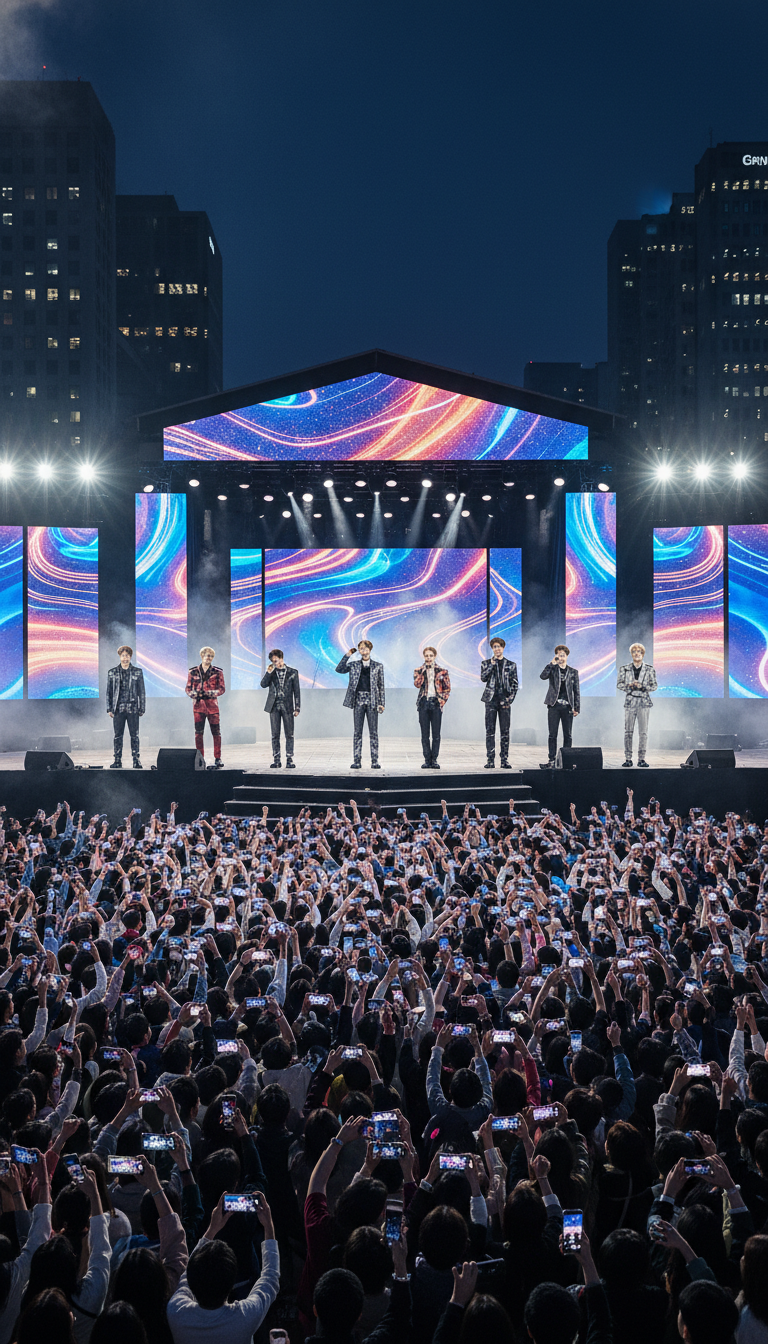
That is why the event landed with such force. To understand it, you have to look beyond celebrity and into how separation, uncertainty, and synchronized attention change the brain and social behavior.
Why the separation made the reunion feel bigger
One useful lens is attachment theory. Fans do not know artists personally, but long-term fandom can still create stable emotional bonds called parasocial relationships. These bonds are one-sided, yet they can feel psychologically real because they are built through repeated exposure, rituals, memories, and identity.
When BTS paused full-group activity during military service, that bond was not erased. It was stretched. The uncertainty mattered: people were not only missing the group, they were living with unanswered questions about chemistry, priorities, and whether “BTS as seven” would feel the same again.
This is where the Zeigarnik effect helps explain the intensity. Humans remember and stay mentally engaged with unfinished experiences more than completed ones. The hiatus left the BTS story emotionally open. A reunion concert did not just provide entertainment; it offered closure on a suspended narrative.
Explore our free psychology courses
Introduction to Psychology
University · Psychology
Cognitive Psychology
University · Psychology
Developmental Psychology
University · Psychology
Abnormal Psychology
University · Psychology
Social Psychology
University · Psychology
Biopsychology/Neuroscience
University · Psychology
Why a live global stream multiplies emotion
The Netflix format added another layer: collective effervescence. Sociologists use this term for the emotional electricity people feel when many others focus on the same thing at the same time. Concerts do this in person, but global livestreams can scale it across countries and time zones.
That matters because emotion is socially contagious. When fans see reactions spreading in real time, their own feelings intensify. Add nostalgia from older songs like Dynamite and Mikrokosmos, plus novelty from new tracks on ARIRANG, and you get a particularly strong reward pattern: the comfort of the familiar mixed with the thrill of the new.
Psychologically, that combination is powerful because it confirms continuity while signaling growth. Fans were not just reassured that BTS still existed. They were shown that BTS had returned changed, but recognizably themselves.
Why the concert disproved the biggest fear
A major misconception before the show was that the group’s chemistry might be gone after years apart. But chemistry is not only spontaneity; it is also shared history, practiced coordination, and mutual role knowledge. Groups with deep collective identity often regain rhythm faster than outsiders expect.
Even details that could have weakened the illusion of unity, like RM performing seated due to injury, may have strengthened the emotional effect. Vulnerability often increases perceived authenticity. Fans tend to respond strongly when performers appear human, effortful, and honest rather than perfectly polished.
The traditional Arirang framing also mattered. By tying the comeback to a Korean song associated with separation and resilience, the event gave the reunion symbolic meaning. It turned a pop return into a story about endurance.
How this affects BTS’s future: world tour and solo balance
So will this psychology push BTS toward a world tour? Probably yes, but selectively. A reunion this emotionally validated creates strong demand for more shared experiences, and a tour is the clearest way to extend that collective energy. It also gives the group a way to convert symbolic reunion into embodied, in-person confirmation across markets.
But the same psychology suggests they are unlikely to simply revert to the old model. Post-hiatus identity usually becomes more flexible, not less. After major life transitions, people often protect both the group bond and individual autonomy more deliberately.
- Group activities will likely carry higher symbolic weight and be treated as major events.
- Solo careers may continue because they now support, rather than threaten, the group’s maturity.
- Fans may accept this balance more easily after seeing proof that reunion does not require erasing individual growth.
In other words, the comeback likely reduced fear of disbandment while normalizing a dual structure: BTS as a powerful collective identity, and each member as a continuing solo artist.
What the deeper lesson is
The strongest reactions to this comeback were not just about fame. They came from a precise emotional formula: long separation, unresolved uncertainty, symbolic return, and synchronized witnessing. That is why the event felt bigger than a standard release cycle.
BTS’s Netflix live worked because it answered two questions at once: Are they still BTS together? and Can they return without becoming who they were before? The concert suggested yes to both. And that is exactly why the next steps, whether a world tour or a new balance with solo work, now feel possible rather than threatening.

In short, the reunion hit so hard because it resolved an unfinished emotional story in public, in sync, and with visible vulnerability. That same mechanism is also why this comeback feels less like a one-off nostalgia moment and more like the start of a new phase.